
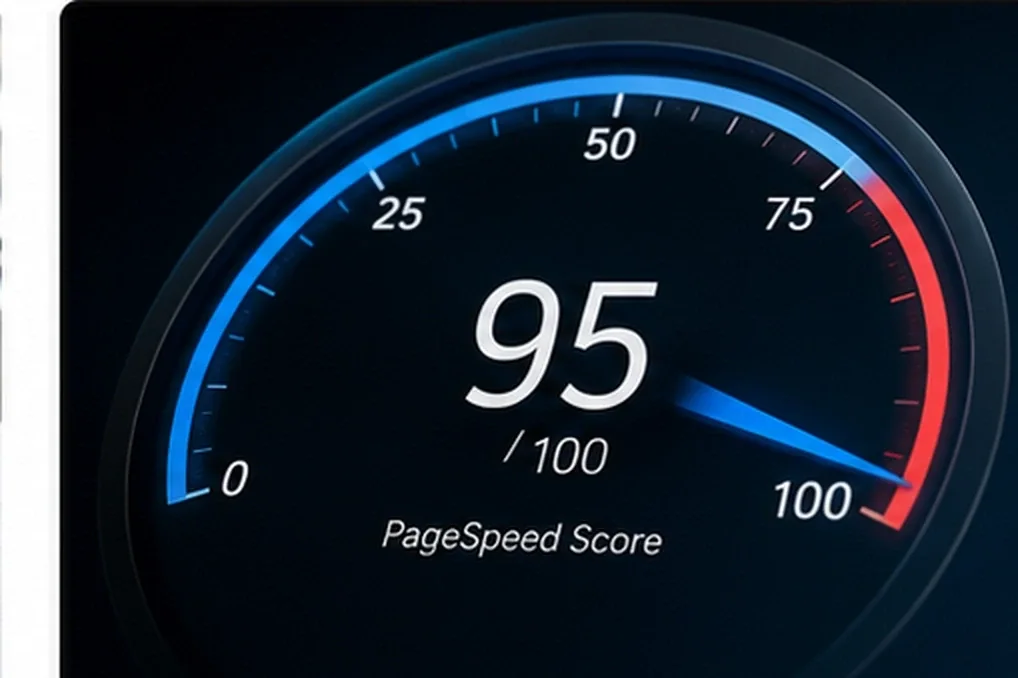
A few extra seconds of load time doesn’t sound like much, but it’s one of the most consistently documented reasons visitors leave a website before they ever see what it has to offer.
Visitors Decide Fast, and Slowness Reads as a Red Flag
A slow-loading site doesn’t just delay the visitor — it actively signals that something might be wrong, whether that’s outdated technology, poor maintenance, or a business that isn’t especially attentive to detail. That impression forms in seconds, long before a visitor reads a single word of content.
Mobile Makes Speed Even More Critical
A large share of website traffic today happens on mobile connections that are slower and less consistent than desktop broadband. A site that’s merely “acceptable” on a fast office connection can feel unusably slow on a phone in spotty cell coverage — exactly the moment a lot of local searches happen.
Speed Affects Search Rankings Too
Search engines factor page speed into how they rank websites, meaning a slow site isn’t just losing visitors who already arrived — it may be showing up less often in search results in the first place. Speed compounds: faster sites get seen more and convert more of what they get seen by.
What Actually Makes a Site Fast
Real speed improvements usually come from a handful of technical fixes: optimized images, efficient caching, minimized render-blocking scripts and stylesheets, and solid hosting infrastructure — not flashy design elements, which are often the actual cause of slowdowns.
Get Started
If you’re not sure how your website’s speed compares to what it should be, Omni Media can run a real diagnostic and fix what’s slowing you down. Contact us today for a free consultation.